


+33 3 89 73 83 83
+33 6 89 33 61 43
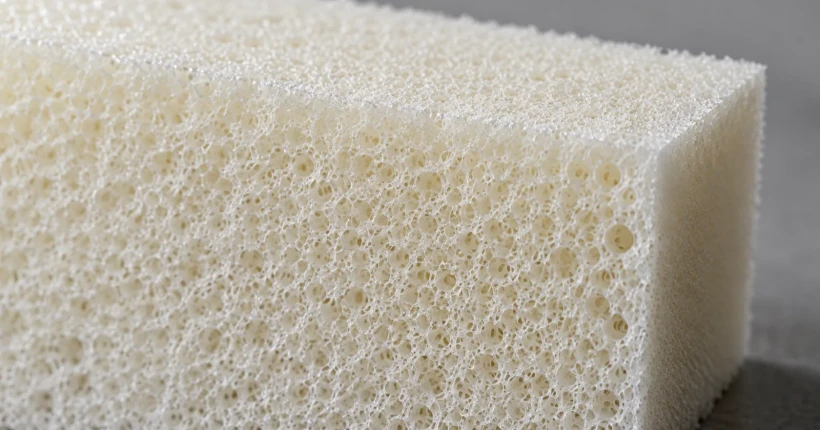
Molded polyurethane foam is not only found in car seats: it is also used in trains, aircraft, office chairs and cinema seats, and even in motorcycle top cases.
In every case, air gets trapped in the mold. JMP Assemblage, a degasser manufacturer based in Colmar, France, equips these production lines in France and abroad.
Molded polyurethane foam is found wherever a part has to be comfortable, absorb shocks or fit a precise shape.
JMP Assemblage vents are now fitted on molds in all of these sectors:
| Sector | Foamed parts |
|---|---|
| Automotive | Seat cushions and backrests: the historical core of the business |
| Motorcycle | Foam inserts for top cases and rear cases, so that nothing knocks together inside |
| Rail | Passenger seats |
| Aerospace | Aircraft seats |
| Office furniture | Office seats and chairs |
| Cinema and live performance | Fixed seating, in shorter runs |
Orders ship from the JMP Assemblage workshop in Colmar to Spain, China, Brazil and Mexico.
Your sector is not on the list? If you mold polyurethane foam, the problem is the same, and it is solved the same way.
Yes: a car seat, a cinema seat and a top case insert all face the same trapped air problem.
The cycle is identical everywhere:
The technical answer is therefore the same: a vent placed where the defect appears, sized to the volume of air to be evacuated.
A Ø6 or Ø8 for a corner that is hard to reach, a larger diameter for a large air pocket. Details in our guide to choosing a Compact or Grenade pneumatic vent.
Because in the automotive industry, seat fabrics keep getting thinner and production volumes are the highest. Three constraints add up:
This demand for consistency is detailed in our article on eliminating bubbles in seat foam.
Runs are shorter, schedules more flexible and small defects more often accepted.

| Criterion | Car seats | Office, cinema and theater seating |
|---|---|---|
| Production runs | High volume, carousels of 30 to 40 molds | Much shorter runs |
| Degasser orders | Up to a year before the vehicle’s launch | As needs arise |
| Defect tolerance | Close to zero under thin fabrics | Small defects often accepted |
| Degassing | Automated, with pneumatic vents | Automated, or still manual at some manufacturers |
This tolerance has a downside: some manufacturers have never automated their degassing.
Yes: the same vent ranges, from Ø6 to Ø22.90, equip a car seat mold or a chair mold. The choice is based on three criteria, never on the sector:
All vents are double-acting cylinders designed to run 24/7. Their nitrile or Therban seals withstand the 70 to 80 °C of the mold.
Their service life then depends mainly on the maintenance of degassers for polyurethane molds.
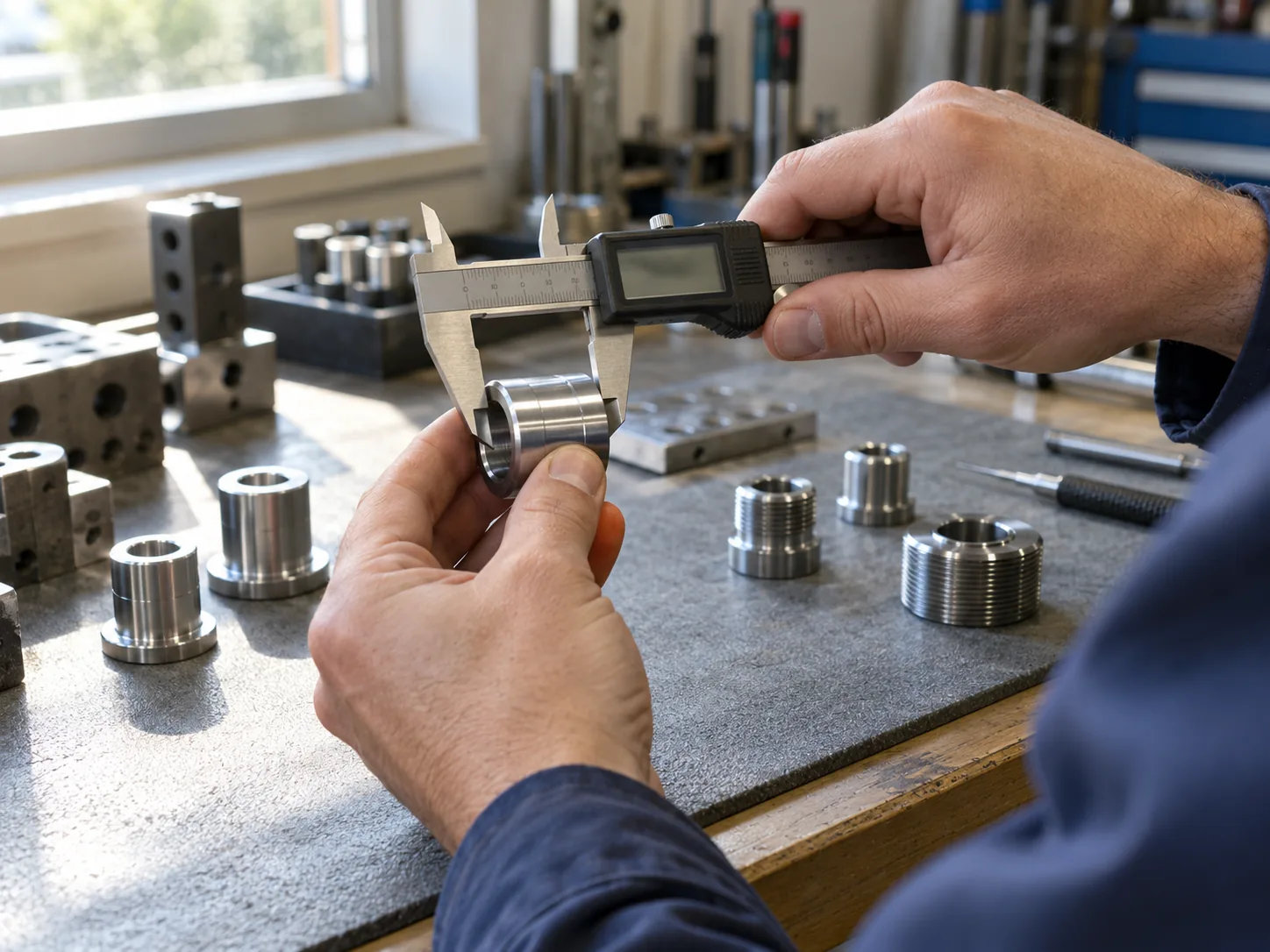
Advice from the workshop
To switch to automated degassing, there is no need to re-equip your entire fleet at once. Start with the molds that generate the most scrap. Photograph where the defect appears on the part and note the space available above the mold: the workshop will point you to the right reference, and a cylinder can be sent to validate the installation.
In cars first of all, but also in trains, aircraft, motorcycles and furniture. Seats, office chairs, cinema and theater seating, top case inserts: they are all molded.
Because the foam expands in a closed mold where the air has no natural way out. Some of it stays trapped as the foam cures, often in the corners. Hence the role of vents.
Generally up to a year before its market launch. This lead time makes it possible to equip the molds and correct defects before series production.
Yes, by hand, but with a high scrap rate. Some manufacturers still pierce the foam with a rod, whereas a vent opens automatically at every cycle.
It depends on the sector and the fabric. Under a thin automotive fabric, no defect gets through. On a cinema or office seat, slight irregularities are often tolerated.
Yes. The vents are assembled in Colmar, in the Haut-Rhin department of France, then shipped across France and internationally: Spain, China, Brazil, Mexico. Technical discussions are held in English.
Molded polyurethane foam changes shape and fabric, not behavior: it expands, it cures, and any air that is not evacuated stays in the part.
High-volume automotive production or short runs of seating: the choice relies on the same criteria and the same range of pneumatic degassers for polyurethane molds.
Still degassing by hand, or foaming outside the automotive industry? A photo of the defect and a clearance measurement are enough to get started.
Call JMP Assemblage on +33 3 89 73 83 83 or +33 6 89 33 61 43, or send your photo via the contact form.
